Share this now - someone’s life could change.


What Is a Benedictine Oblate? Living Monastic Wisdom in Everyday Life
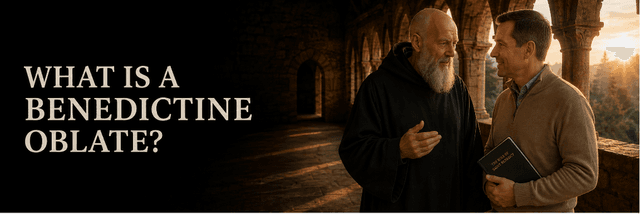
You do not have to become a monk or nun to follow the spiritual wisdom of Saint Benedict. A Benedictine oblate is usually a layperson or member of the clergy who feels called to live according to the Rule of Saint Benedict while remaining in ordinary life. Oblates have families, careers, homes, responsibilities, and active roles in their churches and communities. They seek to bring the prayer, balance, humility, and stability of the monastery into the world.
What Does the Word Oblate Mean?
The word “oblate” comes from the Latin word oblatus, meaning “one who is offered.” A Benedictine oblate offers his or her life to God through prayer, faithful work, service, and a spiritual connection with a particular Benedictine monastery. This offering does not remove the person from everyday responsibilities. It changes how those responsibilities are understood and lived.
Are Oblates Monks or Nuns?
Benedictine oblates are not monks or nuns. They do not ordinarily live inside a monastery, wear a religious habit, or make the same vows as professed members of a monastic community. Instead, they remain in their existing vocation. An oblate may be married or single, employed or retired, a parent, student, priest, deacon, or member of another profession.
Connected to a Monastery
An oblate is generally affiliated with a specific Benedictine monastery. This connection gives the person a spiritual home and a community from which to receive guidance. The monastery may provide meetings, retreats, spiritual formation, newsletters, reading materials, and opportunities to pray with the monks or nuns. The oblate also prays for and supports the monastic community.
Following the Rule of Saint Benedict
The Rule of Saint Benedict was written for monks living together, so oblates do not follow every instruction literally. They study the Rule and apply its spirit to their particular circumstances. A parent cannot observe silence in the same way as a monk, and someone with a demanding job cannot always stop for prayer at every monastic hour. The goal is faithful adaptation rather than imitation.
Prayer at the Center
Prayer is essential to the life of a Benedictine oblate. Many oblates pray part of the Liturgy of the Hours, especially Morning Prayer and Evening Prayer. They may also attend Mass regularly, read Scripture, practice lectio divina, pray the Rosary, or spend time in silence. The exact routine varies, but the intention is to give prayer a stable place within each day.
Learning to Listen
The Rule begins with the word “Listen.” For an oblate, listening means becoming attentive to God through Scripture, prayer, the Church, other people, and the events of daily life. It also means listening before reacting, receiving correction with humility, and making room for perspectives other than one’s own. This kind of listening can transform marriages, families, workplaces, and friendships.
Work as a Form of Service
Benedictine spirituality often joins prayer and work through the phrase ora et labora. An oblate learns to approach work as more than a way to earn money or gain recognition. Preparing meals, running a business, caring for children, serving customers, cleaning a home, helping a neighbor, or completing professional responsibilities can all become offerings to God when done with care and integrity.
Stability in a Restless Culture
Stability is a central Benedictine value. Monks commit themselves to a particular community rather than moving whenever life becomes difficult. Oblates express stability by remaining faithful to God, family, church, work, and community. Stability does not require staying in a dangerous or unhealthy situation. It means resisting the habit of abandoning good commitments simply because something newer or easier appears.
Humility and Conversion
Saint Benedict understood that spiritual growth requires humility. Oblates learn to admit mistakes, receive guidance, apologize, forgive, and place the needs of others before personal pride. Benedictine conversion is not a single moment. It is the daily decision to turn away from selfishness and allow God to reshape our thoughts, habits, and relationships.
Creating Space for Silence
An oblate may live in a noisy home or work in a busy environment, but even short periods of silence can make a difference. Silence helps a person recognize emotions, examine motives, listen to God, and choose words more carefully. An oblate might begin with ten quiet minutes in the morning, turn off the radio while driving, or put away the phone before evening prayer.
Practicing Benedictine Hospitality
The Rule teaches that every guest should be welcomed as Christ. Oblates practice this hospitality in their homes, churches, workplaces, and communities. Hospitality can mean preparing a meal, making time to listen, welcoming someone who feels excluded, caring for a struggling neighbor, or treating a stranger with patience. It is less about entertaining impressively and more about recognizing the dignity of each person.
Living With Moderation
Benedictine life avoids unnecessary extremes. Oblates try to develop a balanced relationship with food, work, entertainment, possessions, technology, exercise, and rest. They do not have to reject every comfort, but they learn to recognize when something begins controlling them. Moderation creates greater freedom to love God and serve other people.
The Process of Becoming an Oblate
The exact process differs among monasteries. A person usually contacts a monastery with an oblate program, attends meetings or retreats, studies the Rule, and completes a period of formation. This period provides time to pray, learn, and discern whether the Benedictine path is truly a good fit. It should not be rushed.
Making an Oblation
After formation and discernment, the candidate may make a formal act of oblation connected with the monastery. This is a spiritual commitment to live according to the Rule of Saint Benedict as faithfully as one’s circumstances allow. It is not the same as taking monastic vows or receiving Holy Orders. The oblate continues living in the world while deepening a lifelong connection with Benedictine spirituality.
Who Can Become an Oblate?
Requirements vary by monastery. Many oblate programs are primarily for practicing Catholics, while some Benedictine communities also welcome other Christians who sincerely desire to follow the Rule. Anyone interested should contact a particular monastery and learn about its expectations, formation process, meetings, and spiritual practices.
Is Becoming an Oblate Necessary?
A person does not need to become a formal oblate to benefit from Saint Benedict’s wisdom. Anyone can begin praying regularly, reading Scripture, practicing silence, completing work with care, welcoming others, and creating a more balanced daily rhythm. Formal oblation is for those who feel called to a lasting spiritual relationship with a specific monastery and its community.
Begin Living Benedictine Wisdom at Home
SmartGuy.com’s free How to Live Like a Monk at Home program offers a practical introduction to Benedictine living. It includes 21 guided sessions over seven days, with a morning, lunch, and evening session each day. The program helps you experience prayer, silence, humility, gratitude, attentive work, and rest without leaving your home or current responsibilities.
Benedictine oblates serve as a bridge between the monastery and everyday life. They carry ancient spiritual wisdom into homes, offices, parishes, schools, and communities. Their lives show that holiness is not limited to a chapel or cloister. It can be pursued while raising a family, building a career, serving others, and completing the ordinary tasks of each day.
see also:
Sign in to share your thoughts