Share this now - someone’s life could change.


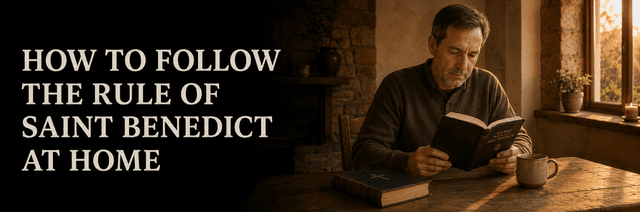
How to Follow the Rule of Saint Benedict at Home
The Rule of Saint Benedict was written more than 1,500 years ago for monks living together in a monastery, yet its wisdom can transform an ordinary home today. You do not need to wear a habit, abandon your career, or spend hours chanting in a chapel. You can follow the spirit of the Rule by creating a life centered on God, prayer, meaningful work, humility, hospitality, moderation, and peace.
Understand the Purpose of the Rule
The Rule is not simply a list of restrictions. Saint Benedict created it to help people seek God through the ordinary events of each day. He understood that spiritual growth requires more than occasional inspiration. It needs a steady rhythm that trains us to listen, serve, persevere, and begin again after failure.
At home, the Rule should not become another source of pressure. Its purpose is to bring order to what feels scattered and return God to the center of family life.
Begin by Listening
The first word of the Rule is “Listen.” Before changing your schedule, begin by becoming more attentive. Listen to God in prayer and Scripture. Listen to your family without interrupting. Listen to your conscience before making decisions. Listen to what your exhaustion, anxiety, or frustration may be revealing.
Benedictine listening requires humility. It asks us to accept that God may speak through another person, including someone younger, quieter, or less experienced than we are.
Start the Morning With God
A Benedictine day begins with prayer. At home, this can mean spending five or ten minutes with God before checking your phone. Make the Sign of the Cross, read a Psalm, thank God for the new day, and ask for guidance. If you live with others, consider gathering briefly for a morning prayer. It does not have to be complicated. Even one Psalm, the Lord’s Prayer, and a short moment of silence can establish a spiritual foundation for the day.
Create a Simple Daily Rhythm
Monasteries follow a schedule that balances prayer, work, meals, reading, community, and rest. Your home will have different needs, but it can still benefit from a dependable rhythm. Choose regular times for waking, praying, eating, working, resting, and sleeping. The schedule should serve the people in your home rather than control them. Leave room for children, unexpected needs, illness, and changes in responsibility. Stability is more important than perfection.
Pause at Set Times
Benedictine monks return to prayer throughout the day. You can create similar pauses in the morning, at lunch, and in the evening. These moments do not need to be long. Stop for a minute, become aware of God’s presence, and offer Him what you are doing. Regular pauses prevent work, stress, and distraction from taking over the entire day. They remind you that no task is more important than your relationship with God.
Make Ordinary Work Sacred
Saint Benedict treated work as an essential part of spiritual life. Cooking, cleaning, paying bills, caring for children, repairing the house, and earning a living can all become acts of service. Instead of viewing ordinary tasks as interruptions, complete them with care and offer them to God. A clean kitchen, a prepared meal, or a responsibly completed assignment can express love for the people who depend on you. The task may be ordinary, but the intention can make it sacred.
Create Space for Silence
Most homes are filled with televisions, phones, music, conversations, alerts, and background noise. The Rule reminds us that silence is necessary for listening and self-control. Choose a short period each day when unnecessary noise is turned off. You might observe ten quiet minutes in the morning, silence during a meal, or a technology-free period before bed. The goal is not to make the home cold or joyless. It is to create enough quiet for prayer, reflection, and genuine attention.
Read Scripture Slowly
The Benedictine practice of lectio divina offers a simple way to read Scripture at home. Choose a short passage and read it slowly. Notice a word or phrase that stands out. Reflect on what God may be showing you. Respond in prayer and then rest quietly in His presence. You do not need to finish an entire chapter. A few verses received deeply may transform you more than many pages read quickly.
Eat With Gratitude
Meals have an important place in Benedictine life. At home, begin meals with prayer and try to eat without rushing. Put away phones when possible and give attention to the food and people in front of you. Simple, moderate meals can teach gratitude and self-control. Food should be received as a gift rather than consumed without thought. Sharing a table also provides an opportunity to listen, reconnect, and strengthen family relationships.
Welcome Others as Christ
The Rule teaches that every guest should be welcomed as Christ. Benedictine hospitality does not require an impressive home or expensive meal. It begins with attention, warmth, and respect. Invite someone who may feel lonely. Listen without constantly checking your phone. Offer a drink, a meal, or a peaceful place to sit. Hospitality transforms the home from a private refuge into a place where others can experience kindness and belonging.
Care for People Who Are Struggling
Saint Benedict gave special attention to the sick, elderly, young, and vulnerable. A Benedictine home notices when someone needs patience, rest, encouragement, or practical help. People should never be treated as inconveniences. Caring for a sick family member, calling an elderly relative, helping a struggling neighbor, or patiently guiding a child can become some of the most important spiritual work we do.
Treat Possessions With Respect
The Rule says the monastery’s tools should be treated with the same care as sacred vessels. At home, this means caring for what you own rather than wasting, neglecting, or constantly replacing it. Repair what can be repaired. Return items to their proper places. Keep your home orderly without becoming obsessed with perfection. Gratitude grows when possessions are seen as gifts entrusted to our care rather than objects to consume and discard.
Practice Humility in Relationships
A home becomes more peaceful when people can admit mistakes. Benedictine humility teaches us to apologize, accept correction, ask for help, and place the good of others before personal pride. Before insisting on your own way, consider whether the issue truly matters. Listen to the younger members of the family as well as the older ones. Saint Benedict believed wise counsel could come from anyone.
Use Technology With Moderation
Saint Benedict never encountered smartphones or social media, but his teachings about silence, moderation, and discipline apply directly to them. Technology should serve your life rather than control it. Create phone-free times for prayer, meals, work, and conversation. Avoid beginning and ending every day with a screen. You do not have to reject technology. You need to decide when it is useful and when it is taking you away from God and the people around you.
End the Day With God
Before going to sleep, review the day in God’s presence. Give thanks for what was good. Recognize where you acted with love and where you fell short. Ask for forgiveness, release your worries, and place the people you love into God’s care.
Ending with prayer allows the day to close in peace. Tomorrow will offer another opportunity to listen, serve, and begin again.
Start Small and Remain Faithful
Do not attempt to turn your home into a monastery overnight. Begin with a few simple practices. Pray before checking your phone. Create a short period of silence. Complete your work with attention. Read a few verses of Scripture. Eat with gratitude. Listen before speaking. Welcome others kindly. End the evening with God. These actions may seem small, but when repeated faithfully, they can transform the atmosphere of your home.
Try the Monk at Home Program
SmartGuy.com’s free How to Live Like a Monk at Home program provides a practical way to begin. It includes 21 guided 30-minute sessions over seven days, with a morning, lunch, and evening session each day. You can step away to your backyard, a park, a quiet room, or any peaceful place while a monk guides you through prayer, silence, humility, gratitude, reflection, and rest.
Following the Rule of Saint Benedict at home is not about pretending to be a monk. It is about building a home where God is remembered, work has meaning, people are heard, guests are welcomed, possessions are respected, and each day has a healthy rhythm. Your surroundings may not resemble a monastery, but your home can still become a school of love, prayer, and peace.
see also:
Sign in to share your thoughts