
11 Jul 2025
85
Dr. Suzanne Humphries emphasizes the impact of environmental toxins, such as heavy metals, on the nervous system and overall health. She advocates for detoxification and supporting the body's natural defenses through diet and supplements. Humphries highlights the importance of reducing toxin exposure and addressing nutrient deficiencies to protect brain function and improve health outcomes.

11 Jul 2025
91
Anger and irritability are common reactions to trauma, often serving as a way to express the intense emotions that come with unresolved pain. While anger can be a natural and even healthy response in certain situations, when it becomes chronic or disproportionate, it can damage relationships, well-being, and overall quality of life. However, it is possible to manage and transform anger into a source of strength and healing.

11 Jul 2025
199
Anxiety disorders are among the most common mental health issues, affecting millions of people worldwide. For those who have experienced trauma, anxiety can become an overwhelming presence, manifesting in various forms such as disorder, panic disorder, or social anxiety. While anxiety can feel all-consuming, it is possible to manage and reduce its impact on your life with the right strategies and support.

11 Jul 2025
128
Avoidance behaviors are common in individuals who have experienced trauma. These behaviors involve staying away from people, places, or situations that trigger memories of the traumatic event. While avoidance can provide temporary relief from anxiety and fear, it often leads to long-term problems, including social isolation, missed opportunities, and an inability to fully engage in life. However, it is possible to overcome avoidance behaviors and reclaim your life with the right support and strategies.
11 Jul 2025
87
Dr. Dale Bredesen, a neurologist and expert in neurodegenerative diseases, has significantly advanced the understanding of brain health and Alzheimer's disease. He developed the ReCODE protocol, a multifaceted approach to treating Alzheimer's by targeting inflammation, nutrient deficiencies, and hormonal imbalances. Bredesen advocates for a ketogenic diet, physical activity, mental stimulation, and stress management as key components of brain health.
11 Jul 2025
219
Dr. Sandrine Thuret emphasizes the importance of promoting neurogenesis, the process of generating new neurons, for maintaining cognitive function and emotional resilience. Her research highlights the role of lifestyle choices, such as regular physical exercise, a diet rich in omega-3 fatty acids and antioxidants, and mental stimulation, in supporting neurogenesis. Thuret advocates for lifelong learning and mental engagement to keep the brain active and healthy.
11 Jul 2025
119
Dr. Daniel Amen's innovative use of SPECT imaging has revolutionized mental health diagnosis and treatment by visualizing brain activity patterns. His approach identifies specific brain dysfunctions associated with conditions like ADHD and depression, allowing for personalized treatments. Amen advocates for comprehensive lifestyle interventions, including diet, exercise, and cognitive training, to improve brain function and mental health outcomes.

11 Jul 2025
77
Childhood experiences, including trauma and adversity, have long-lasting effects on mental health, often leading to anxiety, depression, and PTSD. Addressing and processing these experiences through trauma-informed care and therapeutic techniques is essential for healing. Building resilience and seeking peer support can aid in overcoming the impact of adverse childhood experiences.
11 Jul 2025
247
Chronic pain or physical symptoms without a clear medical cause are often linked to unresolved trauma. When the mind cannot fully process the emotional pain of a traumatic event, that pain can manifest physically in the body. This phenomenon, known as somatization, highlights the deep connection between our mental and physical health. While chronic pain can be debilitating, it is possible to heal by addressing both the physical symptoms and the underlying emotional wounds.
11 Jul 2025
168
Co-dependency is a pattern of excessive emotional or psychological reliance on a partner, often resulting from early trauma or neglect. This unhealthy dynamic can lead to a loss of personal identity and a deep fear of abandonment, making it difficult to form balanced and fulfilling relationships. However, by understanding and addressing the roots of co-dependency, it is possible to build healthier, more independent relationships.

11 Jul 2025
0
Depression is a pervasive mental health condition that affects millions of people worldwide, often leaving them feeling trapped in a cycle of sadness, hopelessness, and a lack of interest in life. For those who have experienced trauma, depression can be a particularly challenging issue, as unresolved pain and grief can deepen the emotional wounds. However, it is essential to recognize that depression is treatable, and with the right approach, it is possible to find light amidst the darkness.
11 Jul 2025
107
Dr. David Perlmutter focuses on the critical link between diet and brain health, advocating for dietary changes to prevent neurological diseases. He emphasizes the role of chronic inflammation, driven by poor diet, in contributing to conditions like Alzheimer's and depression. Perlmutter promotes a high-fat, low-carb diet rich in omega-3 fatty acids and antioxidants to support cognitive function and reduce inflammation.

11 Jul 2025
118
Dissociation is a complex psychological process where an individual disconnects from their thoughts, feelings, memories, or sense of identity, often as a protective mechanism in response to trauma. While dissociation can provide temporary relief from overwhelming emotions, it can also lead to significant challenges in daily life, including difficulties with memory, concentration, and maintaining a cohesive sense of self. However, with the right support and strategies, it is possible to manage dissociation and reclaim your life.
11 Jul 2025
154
Emotional dysregulation refers to the difficulty in managing and responding to emotional experiences in a way that is appropriate for the situation. For individuals who have experienced trauma, emotions can often feel overwhelming, leading to intense mood swings, impulsive behaviors, or inappropriate emotional reactions. However, learning to regulate emotions is possible and can lead to a more balanced, peaceful life.
11 Jul 2025
190
Dr. Tara Brach focuses on the role of mindfulness and self-compassion in building emotional resilience and healing. Her teachings emphasize the importance of accepting and embracing one's experiences without judgment, promoting emotional freedom and well-being. Brach advocates for regular mindfulness meditation and self-compassion practices to cultivate awareness, presence, and emotional regulation, enhancing overall mental health.

11 Jul 2025
137
Flashbacks are one of the most distressing symptoms of trauma, where individuals vividly re-experience a traumatic event as though it is happening in the present moment. These episodes can be triggered by specific sights, sounds, or even smells, and can leave individuals feeling overwhelmed, frightened, and disconnected from reality. However, it is possible to manage flashbacks and regain control over your life with the right strategies and support.
11 Jul 2025
0
Dr. Kelly Brogan, a holistic psychiatrist and author, has significantly advanced the role of functional medicine in mental health. She emphasizes addressing the root causes of mental illness through personalized, holistic approaches, including nutrition, lifestyle changes, and mind-body practices. Brogan's work highlights the importance of a nutrient-dense, anti-inflammatory diet, regular physical activity, stress management, and detoxification in promoting mental health.
11 Jul 2025
95
Dr. Mark Hyman emphasizes addressing the root causes of chronic diseases through functional medicine, focusing on nutrition and lifestyle changes. He advocates for a diet rich in whole foods and specific nutrients to support brain health, while also emphasizing the importance of exercise, sleep, and stress management. Hyman's holistic approach aims to optimize cognitive function and overall well-being by addressing systemic imbalances.
11 Jul 2025
80
Genetic predispositions and chronic medical conditions significantly influence mental health, necessitating early identification and intervention. Understanding genetic risks and managing conditions like thyroid disorders, diabetes, and neurological diseases can improve mental well-being. Access to genetic counseling, integrated care, and resilience-building techniques are crucial for managing these factors.

11 Jul 2025
222
Guilt and shame are common emotions experienced by individuals who have gone through trauma. These feelings can be overwhelming, often leading to a cycle of self-blame, isolation, and low self-worth. Guilt is typically related to actions or inactions during the traumatic event, while shame is a more pervasive feeling of being fundamentally flawed or unworthy. However, it is possible to overcome these emotions and find healing and self-acceptance.

11 Jul 2025
211
Dr. Natasha Campbell-McBride's GAPS diet highlights the connection between gut health and neurological disorders, focusing on healing the gut to support brain function. Her approach involves eliminating processed foods and emphasizing nutrient-dense, healing foods like bone broth and fermented foods. Campbell-McBride advocates for addressing gut flora imbalances and supporting detoxification to improve mental health and neurological conditions.

11 Jul 2025
140
Dr. Laurence Heller developed the NeuroAffective Relational Model (NARM) to address developmental trauma, integrating attachment theory, somatic psychology, and relational therapy. NARM focuses on both cognitive and somatic aspects of trauma, helping individuals reconnect with their bodies and emotions to foster healing. Central to Heller's approach is restoring a sense of agency and promoting healthy relational patterns, empowering individuals to achieve deeper emotional well-being.
11 Jul 2025
84
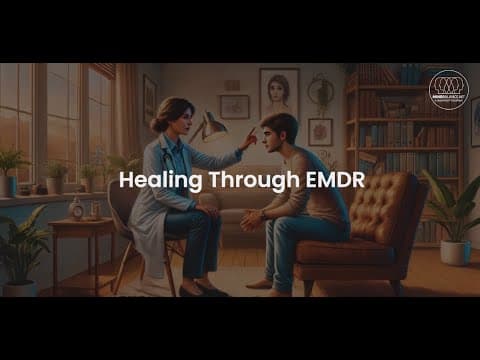
Dr. Francine Shapiro, a psychologist and founder of Eye Movement Desensitization and Reprocessing (EMDR), has made significant contributions to treating trauma. She developed EMDR to help individuals process traumatic memories through bilateral sensory input. Shapiro's work highlights the effectiveness of EMDR in reducing trauma symptoms and emphasizes integrating EMDR with other therapeutic approaches like CBT and mindfulness.

11 Jul 2025
281
Dr. Stephen Porges developed the Polyvagal Theory, which emphasizes the vagus nerve's role in emotional regulation, social connection, and fear response, crucially affecting how trauma impacts the nervous system and behavior. Central to this theory is neuroception, the body's ability to detect safety and danger without conscious awareness, influencing physiological states and interactions. Porges advocates for creating safe environments and employing body-centered therapies like deep breathing and mindfulness to help trauma survivors regulate their nervous systems and heal.
11 Jul 2025
137
Dr. Bessel van der Kolk's work has significantly influenced the understanding of trauma, emphasizing its profound effects on both the brain and body. He has highlighted how trauma alters brain structures like the amygdala and hippocampus, affecting emotion regulation and memory processing. Van der Kolk advocates for body-centered therapies, such as EMDR and yoga, to help trauma survivors reconnect with their bodies and heal.
11 Jul 2025
0
Hypervigilance is a common response to trauma, where the individual remains in a constant state of heightened awareness, always on the lookout for potential threats. This state of hyper-arousal can be exhausting and overwhelming, often interfering with daily life and relationships. However, it is possible to learn how to manage hypervigilance and regain a sense of safety and peace.
11 Jul 2025
99
Dr. Rudolph Tanzi, a neuroscientist and researcher, has significantly advanced the understanding of brain health and Alzheimer's disease. He advocates for integrative approaches that combine conventional treatments with lifestyle changes, nutrition, and mind-body practices. Tanzi's work emphasizes the importance of a Mediterranean diet, regular physical activity, mental stimulation, and stress management in promoting brain health and preventing neurodegenerative diseases.
11 Jul 2025
80
Dr. Andrew Weil combines conventional medicine with alternative therapies to support the nervous system and prevent chronic diseases. His approach emphasizes lifestyle factors like diet, exercise, and stress management, advocating for whole foods, regular physical activity, and mind-body practices. Weil also supports using supplements and systemic healthcare changes to promote a more holistic approach to health.
11 Jul 2025
126
Dr. James Lake promotes integrative psychiatry, combining conventional psychiatric treatments with complementary and alternative therapies to address mental health holistically. His approach emphasizes personalized treatment plans, incorporating nutrition, lifestyle changes, and mind-body practices such as meditation and yoga. Lake's work advocates for addressing the biological, psychological, and social aspects of mental illness to enhance treatment outcomes and overall well-being.

11 Jul 2025
188
Intrusive thoughts are unwanted, distressing thoughts or memories that repeatedly enter the mind, often linked to a traumatic experience. These thoughts can be disturbing, anxiety-provoking, and difficult to control, leading to significant distress and interfering with daily life. However, it is possible to manage intrusive thoughts and regain control over your mind with the right strategies and support.
11 Jul 2025
72
Dr. Sebern Fisher, a neurofeedback practitioner and psychotherapist, has made significant contributions to treating trauma and brain dysregulation through neurofeedback. Her work emphasizes using neurofeedback to regulate brain activity and promote emotional regulation. Fisher advocates for an integrative approach, combining neurofeedback with traditional therapies like psychotherapy and mindfulness to enhance treatment outcomes.

11 Jul 2025
283
Dr. Rick Hanson, a psychologist and author, has made significant contributions to understanding neuroplasticity and mindfulness. He emphasizes the importance of mindfulness practices and positive psychology to promote brain health and emotional resilience. Hanson's work highlights the role of self-compassion, gratitude, and mindfulness in fostering positive brain changes and enhancing well-being.

11 Jul 2025
169
Dr. Joe Dispenza explores the power of the mind to influence the brain and body through neuroplasticity, advocating meditation, visualization, and focused intention. He emphasizes the role of changing thoughts, beliefs, and emotions in creating new neural connections and improving health. Dispenza's techniques harness the mind's power to achieve personal transformation and holistic well-being by integrating neuroscience, epigenetics, and quantum physics principles.

11 Jul 2025
149
Nightmares and sleep disturbances are common among individuals who have experienced trauma. These issues can include difficulty falling asleep, staying asleep, or waking up frequently throughout the night, often with distressing dreams or nightmares related to the traumatic event. Sleep disturbances can leave individuals feeling exhausted, anxious, and unable to function fully in daily life. However, with the right strategies, it is possible to restore peaceful sleep and improve overall well-being.

11 Jul 2025
668
Attachment issues are a common struggle, particularly for those who have experienced emotional wounds or unstable relationships in their past. These issues can manifest as a deep-seated fear of intimacy and a resistance to forming close, committed relationships, such as getting engaged or married. For younger individuals, these fears can be overwhelming, often leading to a cycle of avoidance and isolation. However, understanding the roots of these fears and actively working to overcome them can open the door to fulfilling and healthy relationships.
11 Jul 2025
216
Phobias are intense, irrational fears of specific situations, objects, or activities, often linked to a traumatic experience. These fears can be overwhelming, causing significant distress and interfering with daily life. While phobias can develop as a way to protect oneself from perceived threats, they can also limit one’s ability to fully engage in life. However, it is possible to confront and overcome phobias with the right strategies and support.
11 Jul 2025
63
Post-Traumatic Stress Disorder (PTSD) is a severe and often debilitating condition that can develop after an individual has experienced or witnessed a traumatic event. This disorder is characterized by symptoms such as flashbacks, nightmares, severe anxiety, and uncontrollable thoughts related to the traumatic experience. While PTSD can feel overwhelming, it is important to remember that recovery is possible with the right support and strategies.

11 Jul 2025
160.8K
Dr. Catherine Pittman focuses on how brain structures, particularly the amygdala and prefrontal cortex, interact to produce anxiety, offering practical strategies to rewire the anxious brain. Her work emphasizes cognitive-behavioral therapy (CBT) to change thought patterns and reduce anxiety and exposure therapy to desensitize the amygdala. Pittman also highlights the effectiveness of mindfulness and relaxation techniques in calming the amygdala and enhancing prefrontal cortex regulation, providing a comprehensive approach to anxiety treatment.
11 Jul 2025
115
Self-esteem issues are common among individuals who have experienced trauma. The emotional wounds of the past can lead to feelings of worthlessness, self-criticism, and a pervasive sense of not being 'good enough.' These feelings can hinder personal growth, relationships, and overall well-being. However, it is possible to rebuild self-esteem and develop a positive self-image through intentional effort and support.
11 Jul 2025
0
Self-harm involves intentionally causing physical harm to oneself as a way to cope with overwhelming emotions, stress, or trauma. Common forms of self-harm include cutting, burning, or hitting oneself. While self-harm can provide temporary relief from emotional pain, it is ultimately a destructive behavior that can lead to serious physical and psychological consequences. However, it is possible to find healthier ways to cope with emotional pain and begin the journey toward healing.

11 Jul 2025
112
Dr. Peter Levine's Somatic Experiencing therapy focuses on healing trauma by addressing its physical manifestations in the body. His approach helps individuals process and release stored trauma energy through awareness of bodily sensations and guided re-experiencing of traumatic memories. Levine's techniques, like "pendulation" and "titration," aim to restore balance to the nervous system and promote healing.

11 Jul 2025
83
Substance abuse is a common way that individuals cope with the overwhelming emotions and memories associated with trauma. Whether it’s alcohol, drugs, or other addictive behaviors, these substances can provide temporary relief from pain but often lead to a cycle of dependency and further harm. However, it is possible to break free from addiction and find healthier ways to cope with trauma.
11 Jul 2025
116
Dr. Gabor Maté's work emphasizes the profound impact of unresolved emotional trauma and chronic stress on physical health. He argues that emotional trauma can manifest as physical illness, advocating for a holistic approach to healing that addresses both psychological and physiological aspects. Maté's compassionate inquiry helps individuals uncover and process buried emotions, promoting overall well-being.
11 Jul 2025
236
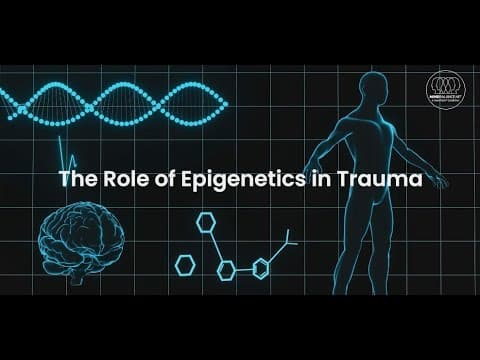
Dr. Rachel Yehuda's research reveals that traumatic experiences can lead to epigenetic changes, affecting gene expression and impacting future generations' health. Her studies on Holocaust survivors and their descendants show altered stress hormone levels and increased vulnerability to stress-related disorders. Yehuda advocates for early intervention and supportive relationships to mitigate trauma's intergenerational effects and promote resilience.

11 Jul 2025
262
Therapeutic Interventions Accessing Quality Mental Health Care - (https://MindBalance.net/) Access to quality mental health care, including therapy and medication management, is essential for addressing mental health challenges. Various therapeutic approaches, such as CBT, DBT, psychodynamic therapy, and group therapy, provide effective support. Combining therapy with medication management can improve mental health outcomes.
11 Jul 2025
245.6K
Dr. Dan Siegel, a psychiatrist and author, has significantly contributed to understanding trauma and brain health through his work on interpersonal neurobiology. He emphasizes the importance of narrative and connection in trauma recovery, integrating narrative therapy with mindfulness and relational practices. Siegel's work highlights how creating a coherent narrative helps heal trauma and promotes brain health.

11 Jul 2025
110
Dr. Cathy Malchiodi underscores the therapeutic potential of art in trauma healing, emphasizing creative expression's role in processing and transforming traumatic experiences. Art therapy allows individuals to express emotions non-verbally, gain insight into their trauma, and develop coping strategies. Malchiodi promotes a trauma-informed approach to art therapy, focusing on safety and attunement, enabling individuals to explore their inner world and heal.
11 Jul 2025
240
Dr. Edith Eva Eger, a Holocaust survivor, psychologist, and author, has made significant contributions to understanding trauma and resilience. She emphasizes finding meaning and empowerment in the aftermath of trauma to promote healing and personal growth. Eger's work highlights the importance of self-compassion, forgiveness, and creative expression in trauma therapy.

11 Jul 2025
109
Pat Ogden, a pioneer in somatic psychology, has significantly advanced the understanding and treatment of trauma through body-centered approaches. She developed Sensorimotor Psychotherapy, which integrates somatic techniques with traditional talk therapy to address both cognitive and physical aspects of trauma. Ogden's work highlights the importance of body awareness and somatic techniques like grounding, centering, and mindful movement in trauma recovery.

11 Jul 2025
106
Dr. Bruce D. Perry, a child psychiatrist and neuroscientist, has greatly impacted trauma-informed care in education by emphasizing the neurobiological effects of trauma and the need for supportive environments for children. He developed the Neurosequential Model of Therapeutics (NMT) to assess and treat trauma's effects on brain development and behavior. Perry advocates for trauma-informed practices in schools, emphasizing safety, connection, and predictable routines to support children's recovery.
11 Jul 2025
125
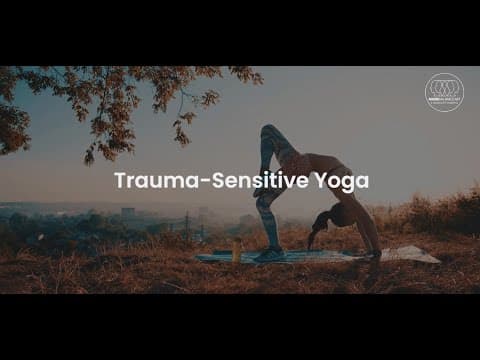
David Emerson has developed trauma-sensitive yoga to help trauma survivors reconnect with their bodies and promote healing. His approach emphasizes creating a safe, supportive environment where individuals can explore movement and sensations without fear or judgment. Key principles include focusing on interoception (awareness of internal body sensations) and empowerment through choice, allowing individuals to make decisions about their movements, fostering a sense of agency and self-regulation.

11 Jul 2025
217
Trust is a fundamental aspect of healthy relationships, yet for many who have experienced trauma, trusting others can feel like an insurmountable challenge. Trauma, particularly when it involves betrayal or abuse, can shatter one's ability to trust, leading to isolation, fear, and difficulties in forming meaningful connections. However, it is possible to rebuild trust, both in others and in oneself, with time, effort, and the right support.
11 Jul 2025
129
Dr. Bruce Perry's work highlights how early trauma disrupts normal brain development, leading to emotional and behavioral problems. His Neurosequential Model of Therapeutics (NMT) provides a framework for assessing and treating trauma's neurobiological effects, emphasizing the importance of relational health in recovery. Perry's research shows that nurturing relationships can help regulate the nervous system and promote healing, making relational support crucial in trauma-informed care.

11 Jul 2025
94.2K
In a world that constantly pushes us to seek happiness in others and external achievements, it's easy to forget that the true source of joy lies within ourselves. Imagine not needing anyone else to feel complete—imagine finding peace and fulfillment just by being with yourself. This guide is all about helping you unlock that inner happiness by mastering the art of being alone. Whether you’re dealing with the fear of solitude, learning to let go, or discovering new passions, you’ll find that the journey to self-contentment is not only possible but incredibly empowering. Let’s dive in and explore how embracing your own company can lead to a richer, more fulfilling life.