11 Jul 2025
85
A lack of innovation leads to stagnation and reduced engagement. Encouraging creativity, exploring new tools, and fostering a culture of experimentation keeps work dynamic and relevant.

11 Jul 2025
121
Discrimination undermines morale, mental health, and inclusivity in the workplace. Advocating for fairness and building awareness through education are key steps toward fostering equality and respect.

11 Jul 2025
89
Bureaucracy in the workplace can slow down processes, increase frustration, and make even simple tasks feel unnecessarily complicated. Employees may feel that they spend more time navigating red tape than working productively. Management guru Peter Drucker emphasized, “The best way to predict the future is to create it.” To navigate and minimize the negative effects of bureaucracy, employees can adopt strategies to streamline tasks and focus on what they can control.

11 Jul 2025
109
Overly complex workflows waste time and frustrate employees. Streamlining processes and eliminating unnecessary steps increase efficiency and satisfaction.

11 Jul 2025
100
Too many or poorly managed meetings can disrupt productivity and cause frustration. Streamlining meetings with clear agendas and time limits ensures they add value and respect participants’ time.

11 Jul 2025
82
An overwhelming workload can lead to stress, burnout, and reduced quality of work. Managing tasks through prioritization, delegation, and structured planning can help restore balance and maintain productivity.

11 Jul 2025
138
Frequent staff changes disrupt team dynamics and lower morale. Building strong relationships and advocating for retention strategies fosters a stable, supportive environment.

11 Jul 2025
294
Inadequate feedback can leave employees feeling uncertain about their performance and unsure how to grow in their roles. Constructive feedback is essential for personal and professional development, helping individuals understand what they’re doing well and where they can improve. As Bill Gates says, “We all need people who will give us feedback. That’s how we improve.” Seeking out feedback proactively and providing feedback to others can help bridge gaps in communication.

11 Jul 2025
124
Limited resources hinder productivity and lead to frustration, negatively impacting work quality. Identifying resource gaps and advocating for tools or support can enhance efficiency and team morale.

11 Jul 2025
106
Insufficient training leaves employees feeling unprepared and undervalued, limiting their potential for growth. Proactively seeking learning opportunities and advocating for better resources can empower individuals to excel.

11 Jul 2025
154
Ambiguity in expectations creates confusion and inefficiency. Establishing clear, consistent standards ensures alignment and accountability within teams.

11 Jul 2025
107
Clear, empathetic communication is essential for avoiding misunderstandings and fostering collaboration. Practicing active listening and setting clear expectations can significantly enhance workplace interactions and trust.

11 Jul 2025
124
Rigid work policies can hinder employees’ ability to balance personal and professional responsibilities, impacting morale and productivity. Advocating for flexible arrangements can promote mutual trust and create a more supportive workplace.

11 Jul 2025
100
Inadequate health policies can contribute to stress, burnout, and absenteeism. Advocating for wellness programs and prioritizing self-care promotes a healthier, more resilient workplace.

11 Jul 2025
123
Uncertainty about job stability can cause stress and reduce focus. Building resilience through skill development and networking helps mitigate the effects and prepare for future opportunities.

11 Jul 2025
113
Autonomy empowers employees to take ownership of their work, fostering innovation and job satisfaction. Building trust through proactivity and seeking responsibility can increase freedom in the workplace.
11 Jul 2025
118
When employees feel excluded, it hinders collaboration and team cohesion. Promoting diverse perspectives and actively supporting inclusivity fosters a sense of belonging and innovation.

11 Jul 2025
162
When employees don’t feel accountable for their work, it diminishes motivation and engagement. Encouraging responsibility and empowering decision-making fosters a sense of pride and commitment.

11 Jul 2025
287
Without a sense of purpose, work can feel monotonous and disengaging. Aligning tasks with personal values and focusing on meaningful contributions can reignite motivation.
11 Jul 2025
108
Feeling undervalued at work can diminish motivation and engagement, impacting overall job satisfaction. Creating a culture of recognition, both self-initiated and within teams, can foster emotional investment and stronger collaboration.
11 Jul 2025
162
A lack of collaboration can create silos and reduce efficiency, leaving employees feeling isolated. Building trust, fostering open communication, and encouraging team activities can strengthen bonds and drive success.

11 Jul 2025
106
A lack of openness in the workplace can create mistrust and uncertainty among employees. Promoting clear communication and regular updates fosters trust and alignment within teams.

11 Jul 2025
216
A lack of trust hinders collaboration, communication, and team cohesion. Building trust through reliability, transparency, and empathy strengthens relationships and workplace culture.

11 Jul 2025
119
When growth paths are scarce, employees can focus on enhancing skills, seeking cross-departmental projects, and setting personal development goals. Proactive self-improvement fosters career progression, even in static environments.

11 Jul 2025
74
Isolation in the workplace affects engagement, collaboration, and morale. Building relationships through shared activities and informal interactions fosters a sense of community and support.

11 Jul 2025
104
Inadequate pay can diminish morale and hinder engagement, especially when it doesn’t reflect contributions. Advocating for fair compensation and emphasizing achievements can lead to more meaningful rewards.

11 Jul 2025
184
Micromanagement stifles creativity and erodes trust, making it harder for employees to feel empowered. Proactively building trust through clear communication and accountability can help alleviate its impact.

11 Jul 2025
131
When personal values clash with company culture, it can lead to disengagement and dissatisfaction. Reflecting on personal priorities and seeking alignment within or outside the organization can restore purpose
11 Jul 2025
583
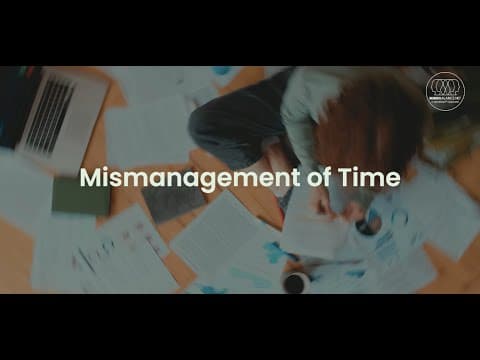
Poor time management results in stress and missed deadlines. Prioritizing tasks, setting clear goals, and reducing distractions enhance productivity and work-life balance.
11 Jul 2025
374
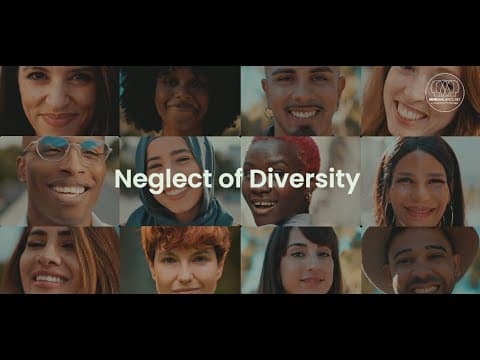
A lack of diversity limits perspectives and reduces innovation. Promoting inclusivity and celebrating differences enhances collaboration and drives organizational success.

11 Jul 2025
0
A lack of enjoyment at work reduces morale and creativity. Introducing lighthearted moments and celebrating successes fosters connection and a positive atmosphere.

11 Jul 2025
132
Inadequate compensation or incentives can lead to disengagement and turnover. Advocating for equitable rewards aligned with industry standards reinforces value and motivation.

11 Jul 2025
84
Subpar benefits fail to reflect a company’s commitment to employee well-being, potentially causing dissatisfaction and turnover. Advocating for fair, comprehensive benefits can improve morale and retention.

11 Jul 2025
280
Ineffective leadership undermines morale and clarity, leaving employees feeling unsupported. Focusing on self-leadership, seeking mentorship, and offering constructive feedback can mitigate its impact and inspire change.

11 Jul 2025
240
An uncomfortable or poorly designed workspace can affect focus, mood, and physical health. Small adjustments like decluttering, improving ergonomics, and adding personal touches can enhance comfort and productivity.

11 Jul 2025
420
Outdated or inefficient technology hampers productivity and increases frustration. Identifying pain points and proposing upgrades can streamline workflows and improve outcomes.
11 Jul 2025
205
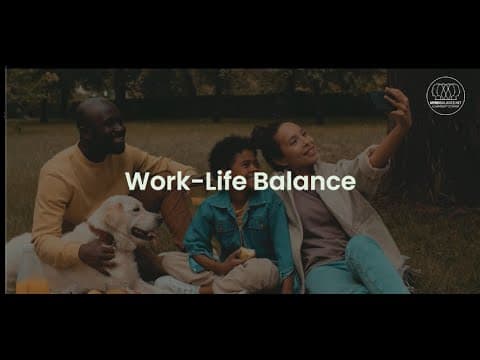
Achieving work-life balance involves creating boundaries that prioritize both professional productivity and personal well-being. This balance fosters long-term success and prevents burnout by aligning your time with what truly matters.
11 Jul 2025
147
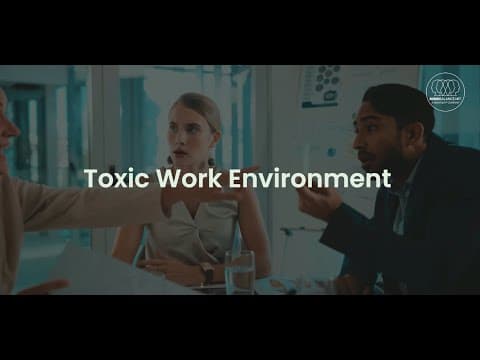
A toxic workplace, characterized by negativity, unprofessional behavior, or hostility, can drain motivation and harm mental health. Recognizing toxicity and setting boundaries is essential to preserving well-being and fostering resilience.

11 Jul 2025
128
Ambiguity in expectations creates stress and inefficiency, reducing confidence and productivity. Aligning on goals through regular check-ins and clarifying priorities ensures everyone is on the same page

11 Jul 2025
82
Unachievable goals lead to stress, decreased morale, and reduced efficiency. Setting realistic, clear objectives through open communication helps maintain balance and accountability.