Share this now - someone’s life could change.


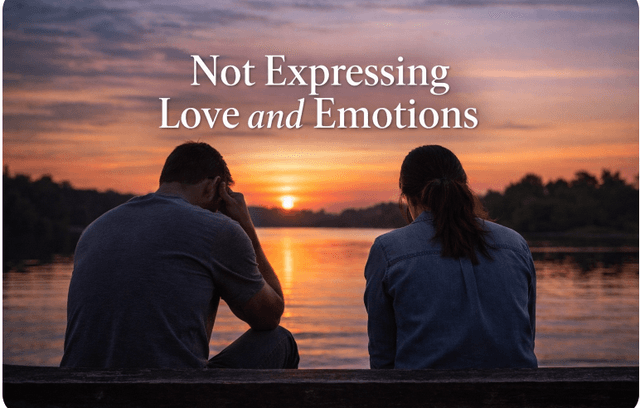
Not Expressing Love and Emotions
One of the most frequently shared regrets later in life is not about money, work, or missed opportunities. It is about words left unspoken. Many people admit they did not say “I love you,” “I’m proud of you,” or “I’m sorry” enough - or at all. This regret hurts because it cannot always be fixed. Time runs out. People pass away. Relationships change. And what remains is the heavy realization that love was felt, but never fully expressed. Emotions unshared do not disappear. They turn into longing, guilt, and unresolved grief.
Why This Regret Happens
Many people grow up learning to suppress emotion. Vulnerability can feel unsafe. Saying how you feel risks rejection, awkwardness, or being misunderstood. For some, expressing love feels uncomfortable or even weak.
Psychologically, humans protect themselves from emotional exposure. But that protection often becomes a prison. Over time, emotional avoidance creates distance in relationships, even when love exists. Older adults often say, “I assumed they knew how I felt.” The truth is, people need to hear it.
What People Realize Too Late
At the end of life, people rarely regret expressing too much love. They regret expressing too little. They wish they had said the words when they had the chance. They wish they had been more open, more honest, more emotionally present. Unspoken love does not comfort anyone later.
The Cost of Doing Nothing
Avoiding emotional expression slowly erodes connection. Relationships become surface-level. Resentment builds. Missed opportunities for closeness multiply. When loss eventually comes, the regret is not just sadness - it is permanence. There are no second chances to say what should have been said.
What You Can Do Right Now
You do not need perfect words. You need honesty.
Tell someone you love them today, even if it feels awkward.
Express appreciation clearly and specifically.
Apologize where needed, without defensiveness.
Practice emotional openness in small ways - through texts, notes, or conversations.
Vulnerability is a skill. Like any skill, it grows with practice.
A Reframe That Changes Perspective
Love is not something to save for later. It is meant to be expressed while people are still here to receive it. Saying how you feel does not weaken you - it strengthens connection. Your future self will not regret being too loving. They will regret staying silent.
A Question Worth Reflecting On
If you could not speak tomorrow, what would you wish you had said today?
Take the Next Step
Becoming emotionally expressive starts with awareness and self-understanding. This is why SmartGuy exists - to help you evaluate emotional blind spots, eliminate communication weaknesses, and build deeper, more meaningful relationships.
At SmartGuy, you will find guided evaluations, growth tools, and content designed to help you communicate honestly, connect deeply, and thrive emotionally. Do not wait for regret to force vulnerability. Go to SmartGuy. Evaluate how you express yourself. Strengthen what is holding you back. And start living and loving fully - starting today.
Sign in to share your thoughts