Share this now - someone’s life could change.


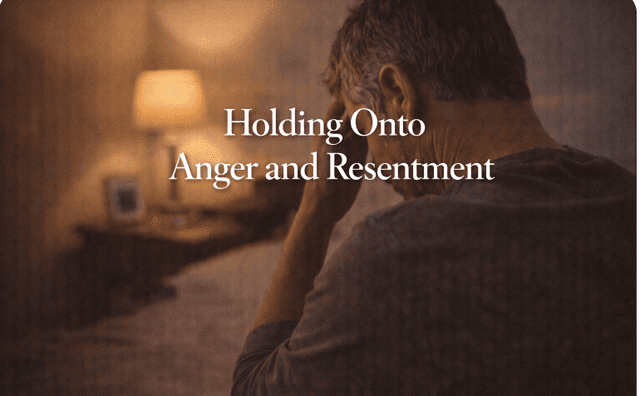
Holding Onto Anger and Resentment
One of the quietest yet most damaging regrets people admit later in life is holding onto anger and resentment for too long. Many say, “I carried it for years, and it only hurt me.” What once felt justified slowly became a weight they never needed to bear. Anger often starts as protection. Someone hurt you. Something felt unfair. Holding onto resentment feels like control or strength. But over time, unresolved anger stops being about the original event and starts shaping your identity, relationships, and peace. People do not regret feeling hurt. They regret letting that hurt steal years of emotional freedom.
Why This Regret Happens
Forgiveness is often misunderstood. Many people believe forgiving means excusing behavior, forgetting what happened, or letting someone off the hook. In reality, forgiveness is about releasing yourself from carrying the pain.
Psychologically, the brain clings to unresolved experiences, replaying them in an attempt to gain closure. Without resolution, resentment becomes a loop that drains emotional energy and increases stress. Culturally, anger is sometimes praised as strength. But unresolved anger is not power - it is bondage.
What People Realize Too Late
Later in life, people realize that the person they resented often moved on long ago. The only one still paying the price was themselves. They realize anger did not protect them. It hardened them. It robbed them of joy, connection, and peace. The regret is not what happened. It is how long it controlled them.
The Cost of Doing Nothing
Holding onto resentment affects both mental and physical health. Chronic anger increases stress, disrupts sleep, strains relationships, and fuels anxiety and bitterness. It narrows perspective and keeps people emotionally stuck in the past. The longer resentment is held, the more normal it feels - and the harder it becomes to imagine life without it.
What You Can Do Right Now
Releasing resentment is a process, not a moment.
Acknowledge the hurt honestly instead of minimizing it.
Separate forgiveness from reconciliation - they are not the same.
Write down what you are holding onto and how it is affecting you.
Choose peace over being right.
Seek perspective, support, or guidance if needed.
Letting go is not weakness. It is reclaiming your life.
A Reframe That Changes Everything
Forgiveness is not about the other person. It is about freeing your future from your past. You can honor your boundaries without carrying bitterness.
Your future self will not thank you for staying angry. They will thank you for choosing peace.
A Question Worth Reflecting On
What resentment are you carrying that is costing you more than it is worth?
Take the Next Step
Releasing emotional weight begins with honest self-evaluation and intentional healing. This is exactly why SmartGuy exists - to help you identify emotional burdens, eliminate patterns that keep you stuck, and build the clarity and strength needed to thrive.
At SmartGuy, you will find evaluations, guidance, and content designed to help you heal, grow, and move forward lighter and freer. Do not let the past control your future. Go to SmartGuy. Evaluate what you are holding onto. Eliminate resentment. And start living with clarity, peace, and emotional freedom - starting now.
Sign in to share your thoughts